
Personalized Holistic Health Strategies For Type 2 Diabetes Reversal
Without the Dependence on Increased Medication or Restrictive Diets
Personalized Holistic Health Strategies For Type 2 Diabetes Reversal
Without the Dependence on Increased Medication or Restrictive Diets
Don't let these obstacles keep you from reversing type 2 diabetes and living your best life:
Treatment & Management based on glucose and A1C alone
Boxed into restrictive fad diets that don't improve numbers
Too much conflicting advice that is overwhelming
Lack of personalized treatment
Coexisting medical conditions that complicate diabetes management
Relying on random strategies without expert guidance
Take control now with The Diabetes Shift and avoid the real consequences of these challenges. Our personalized, holistic approach addresses all these problems, helping you achieve true diabetes mastery and a healthier, happier life.
Imagine Your Life After The Diabetes Shift
The Diabetes Shift
offers a
holistic diabetes
reversal system
that will
transform your
health and life.
Regain Control Over Your Health
Break Free from Deprivation Diets
Achieve Sustainable Weight Loss
Overcome the Challenges of Coexisting Conditions
Receive Tailored Support and Guidance
Simplify Your Diabetes Management
The Diabetes Shift offers a holistic diabetes reversal system that will help you regain control over medical dependency, break free from the deprivation diet trap, and lose that unwanted weight. When you work through The Diabetes Shift strategy, you will build a unique reversal strategy, regain control over your health decisions, enjoy eating well, be desired, and have confidence in your body.
"I don’t pretend to understand the body chemistry at work here and frankly I am more interested in the results and less concerned about how it happened. I was skeptical in the beginning, but as time marched on I believed that I found a program and a provider who really understand the mechanics of my body and worked with me to improve my life."
Jeff W.
Imagine Your Life After The Diabetes Shift
The Diabetes Shift
offers a holistic diabetes
reversal system that will
transform your health and life.
Regain Control Over Your Health
Break Free from Deprivation Diets
Achieve Sustainable Weight Loss
Overcome the Challenges of Coexisting Conditions
Receive Tailored Support and Guidance
Simplify Your Diabetes Management
The Diabetes Shift offers a holistic diabetes reversal system that will help you regain control over medical dependency, break free from the deprivation diet trap, and lose that unwanted weight. When you work through The Diabetes Shift strategy, you will build a unique reversal strategy, regain control over your health decisions, enjoy eating well, be desired, and have confidence in your body.
"I don’t pretend to understand the body chemistry at work here and frankly I am more interested in the results and less concerned about how it happened. I was skeptical in the beginning, but as time marched on I believed that I found a program and a provider who really understand the mechanics of my body and worked with me to improve my life."
~ Jeff W.
Working with The Diabetes Shift is Easy
Complete Your Assessment
Take the first step towards better health by undergoing a thorough health assessment, including a detailed body systems survey and optional blood work, to uncover the root causes of your health issues.
Receive Your Report
Your Health Assessment will be reviewed and evaluated. This allows us to identify the root causes of your health issues and create a customized treatment plan tailored to your specific needs.
Get Clear On Your Plan
With a personalized functional health report, you will receive a customized treatment plan and recommendations to help you understand your path to functional health and achieve your goals.
Break free from the constraints of traditional management methods!
Why Working with The Diabetes Shift is
Essential for Your Health Journey
Imagine a life where diabetes no longer controls your daily activities, energy levels, or peace of mind. You’ve likely tried managing your condition with medications, strict diets, and conflicting advice, only to feel frustrated and stuck. This is where The Diabetes Shift comes in. As your guide and coach, I’m here to help you navigate the complex world of diabetes management and find a clear path to lasting health.
The Diabetes Shift is not just another generic program; it’s a personalized, holistic approach tailored to your unique needs. We understand that every person’s journey with diabetes is different, so our strategies are designed specifically for you. By focusing on the root causes of your diabetes and addressing coexisting conditions, we create a plan that works for your lifestyle, not against it.
Our approach saves you from the six major problems that stall diabetes remission: managing glucose and A1C alone, being boxed into restrictive fad diets, information overload, lack of personalized treatment, dealing with coexisting medical conditions, and the frustration of trial and error strategies. Instead, we offer a comprehensive system that simplifies diabetes management and helps you regain control over your health.
Imagine waking up each day with stable blood sugar levels, more energy, and a clear plan for your health. You’ll enjoy delicious, balanced meals without feeling deprived, and you’ll see real progress in your weight and overall well-being. More importantly, you’ll feel confident and empowered to make informed decisions about your health.
Working with The Diabetes Shift means having a dedicated partner who understands your challenges and is committed to your success. We provide continuous support, adjust your plan as needed, and celebrate your milestones with you. We aim to help you achieve sustainable health improvements, reduce your dependency on medications, and live a fulfilling life free from the constant worry of diabetes.
So, why is working with a coach like me so important? Because I’ve been where you are. I understand the struggles and the desire for a better, healthier life. With my expertise and personalized approach, I can help you break free from the cycle of frustration and truly transform your health. This isn’t just about managing diabetes; it’s about reclaiming your life.
Take the first step towards a healthier, happier you by booking a 30-minute strategy session with The Diabetes Shift. Let’s work together to create a future where diabetes doesn’t hold you back but propels you to new heights of well-being and vitality. Your journey to better health starts here.
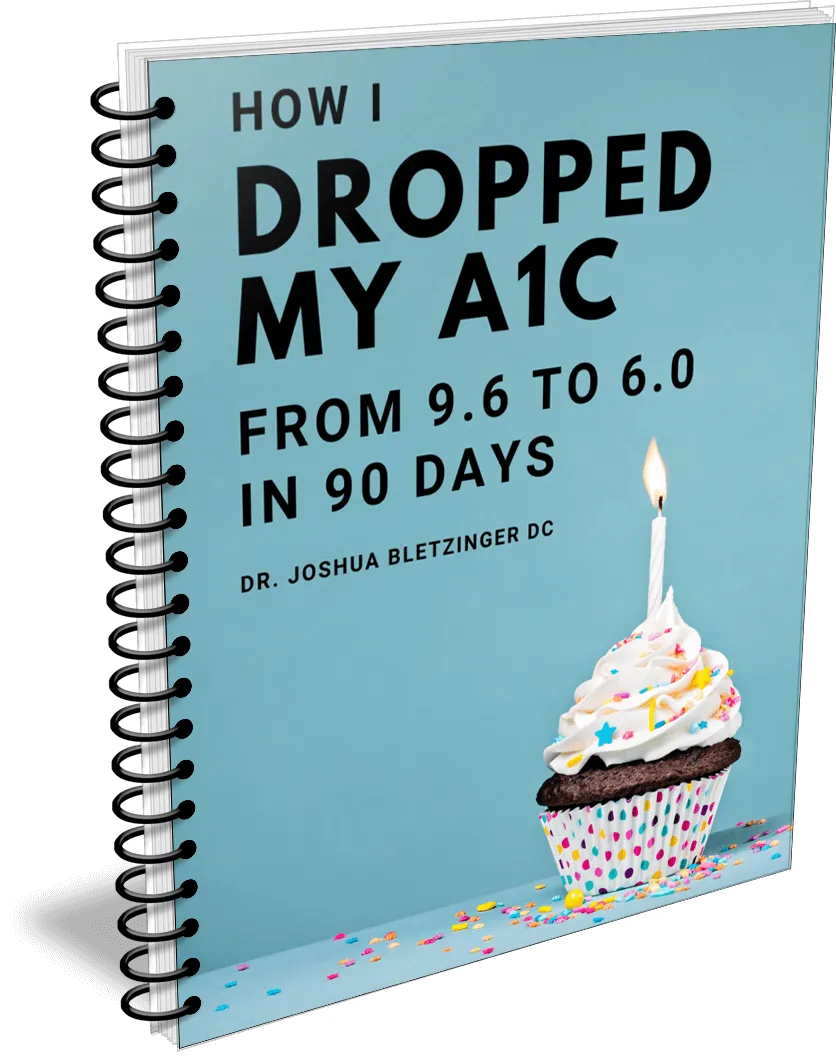
Get A Free Guide
Absolutely thrilled to share this with you! 🌟
Imagine a life where Type 2 diabetes doesn't dictate your day. Sounds too good to be true? It's not.
This simple guide will show what's possibly being missed and the probable root causes to blood sugar challenges.
"How I Dropped My A1c from 9.6 to 6.0 in 90 Days" is loaded with information to help break free from conventional wisdom.
Learn how to put type 2 diabetes into remission and restore the foundations of good health. Let me be your guide!
"There’s been a very well coordinated program by the doctor with thoroughness in checking into my blood chemistry and physiological makeup. I’m feeling myself again. At one time when I was getting medications from my regular doctor I was getting numbness and tingling in one of my legs from diabetic neuropathy. But since I’ve gone on this program and followed it, the numbness has gone away, my legs feel springier, I actually walk my dog and even started to jog a bit. And at one time I couldn’t cut my grass without taking a five minute break every ten minutes. Dr. Bletzinger’s program has been tremendous and I hope to continue the success that’s going. It’s been very successful and I appreciate the doctor’s help."
Richard H.

Dr. Joshua Bletzinger, DC is a leading functional medicine practitioner in the Chicago area.
After watching his father lose his battle with type 2 diabetes, Dr. Josh made it his mission to prevent others from experiencing the same health conditions. He set out to create a clinic that can help people reverse their conditions and take charge of their health.
Dr. Josh creates customized and individualized care plans that 1) arrest the progression of chronic health challenges, 2) enables the body to heal itself and 3) teaches the individual how to navigate a lifetime of vitalistic health.
Dr. Josh has extensive postdoctoral training in functional medicine, functional endocrinology, and clinical nutrition. He continues to pursue an exhaustive education in the care of chronic health challenges.
Articles

The Caffeine Dependency Map: What Your Morning Ritual Is Actually Telling You
Caffeine doesn't give you energy.
It borrows it.
You probably don't think of yourself as dependent on caffeine.
You think of yourself as someone who enjoys coffee. Someone who performs better with it. Someone who has a routine.
But here is a clinical question worth sitting with: How do you feel before the first cup?
If the honest answer involves fog, irritability, a low-grade headache, or the sense that your brain will not fully start until you drink something, that is not a preference. That's a withdrawal state. And it tells you something important about what your metabolism is doing underneath the ritual.
Caffeine Does Not Give You Energy
This is the central reframe. Caffeine is not an energy producer. It's a fatigue signal blocker.
Here's the mechanism. Throughout the day, a molecule called adenosine accumulates in the brain as a byproduct of neural activity. As adenosine levels rise, it binds to receptors that slow neural firing, induce fatigue, and signal the body that rest is needed. This is the biological architecture of tiredness. It's not a weakness. It's a system working correctly.
Caffeine works by occupying adenosine receptors without activating them. It does not clear the adenosine. It does not produce energy. It prevents the brain from registering that the adenosine is there.
The research is unambiguous on this. Ribeiro and Sebastiao (2010) published a detailed review of caffeine's pharmacological mechanism in the Journal of Alzheimer's Disease, confirming that caffeine's primary action is adenosine receptor antagonism. It competes for the receptor sites. Adenosine accumulation continues. The fatigue signal continues to build. The caffeine simply prevents you from feeling it.
The Adenosine Debt Concept
Here's what that means practically.
When caffeine clears your system, typically within four to six hours, the adenosine that has been accumulating without your awareness suddenly floods the receptors. You do not just return to baseline. You drop below it. The fatigue hits harder than it would have if you had not used caffeine at all.
This is the afternoon crash. This is why the second cup exists. Not because you need more energy, but because you are now managing the debt created by the first cup.
Each cycle of caffeine use followed by clearance deepens the trough. Over time, the baseline without caffeine feels progressively worse, not because your energy production is declining (though that may also be true), but because the contrast between caffeinated and uncaffeinated states keeps widening.
The person who now needs two or three cups to feel like they did with one cup three years ago is not experiencing a tolerance issue. They are experiencing an adenosine debt that compounds with every cycle.
The HPA Axis: What Caffeine Does to Your Stress Hormones
Adenosine receptor blocking is only part of the picture.
Every time you consume caffeine, your body interprets it as a mild stress signal. The hypothalamic-pituitary-adrenal axis activates, and cortisol rises. This is not metaphorical. Lovallo et al. (2005) demonstrated in a controlled study published in Psychosomatic Medicine that caffeine produces a statistically significant increase in cortisol secretion, particularly in the morning window.
For someone whose cortisol is already elevated due to chronic stress, poor sleep, or HPA axis dysregulation, adding caffeine-induced cortisol on top of an already-high baseline is compounding a problem that was already in progress. The morning cup does not just block fatigue signals. It adds a cortisol load to a system that may already be running cortisol in excess.
Prolonged HPA axis activation from this pattern eventually shifts into HPA axis dysregulation, where the adrenal response becomes blunted, rhythm flattens, and morning cortisol no longer rises appropriately. At that point, the person feels most depleted in the morning, needs significant stimulant input just to approximate alertness, and cannot understand why they feel worse than they used to despite doing all the same things.
That pattern does not require a formal diagnosis. It's a clinical presentation. And it's common.
Caffeine, Blood Sugar, and the Hidden Crash
There's a third mechanism that most people are completely unaware of.
Caffeine raises blood sugar. Not because of what you add to the coffee. Because of what caffeine itself does to glucose metabolism.
Battram et al. (2006) published findings in the Journal of Physiology demonstrating that caffeine ingestion impairs insulin-mediated glucose uptake and raises blood glucose levels, even in the absence of carbohydrate intake. The mechanism involves catecholamine release and glycogen mobilization from the liver.
In practical terms, you drink black coffee in the morning. Your body releases stored glucose. Insulin responds. When the insulin clears the glucose faster than it was produced, blood sugar drops. You feel it as a crash, as a need for something sweet, as low energy that arrives at a predictable window post-coffee.
For the person combining caffeine with a high-carbohydrate morning meal, this effect is amplified. For the person who is already cycling through blood sugar instability throughout the day, caffeine adds another input to an already-unstable system.
The mid-morning energy dip, the craving for a snack, the need for a second coffee: these are not personality traits. They are the downstream consequences of a biochemical cycle that started with the first cup.
The Real Energy System: Mitochondria and ATP
Here is what caffeine is actually masking when the pattern has been running for years.
Energy, at its cellular level, is ATP. Adenosine triphosphate. Produced in the mitochondria through oxidative phosphorylation. Every function your body performs, every thought, every movement, every hormonal synthesis, every immune response, runs on mitochondrial output.
Caffeine has no direct relationship with ATP production. It does not increase mitochondrial activity. It does not improve substrate delivery. It does not enhance electron transport chain efficiency.
When mitochondrial output is adequate, caffeine can be used as an optimization tool. You add it on top of genuine energy production and get enhanced alertness, sharpened focus, and slightly improved performance. This is caffeine as a cognitive tool.
When mitochondrial output is compromised, whether due to nutrient deficiencies, chronic inflammation, metabolic dysfunction, or HPA axis exhaustion, caffeine can no longer optimize. It can only mask. The deficit is real. The caffeine simply prevents you from feeling how real it is, for a few hours.
The diagnostic distinction: Are you using caffeine to enhance performance that already exists? Or are you using it to simulate performance that's no longer there without it?
That question has a clinical answer. And the answer informs what needs to be addressed.
The Optimization-Compensation Spectrum
Not all caffeine use is the same.
On one end, someone with stable sleep, well-regulated blood sugar, low inflammatory load, and adequate mitochondrial output uses coffee in the morning for the cognitive edge. They could function without it. It makes good things better. This is optimization.
On the other end, someone with fragmented sleep, elevated evening cortisol, dysregulated blood sugar, systemic inflammation, and declining mitochondrial output uses coffee to feel like a functioning human being before noon. They cannot start without it. Without it, they are impaired. This is compensation.
Most people who reach functional medicine are somewhere on the compensation end of that spectrum, often without realizing they have moved there.
The shift is gradual. It does not announce itself. You do not wake up one day and think: I am now dependent on a stimulant to approximate baseline function. You just keep adding cups. You just keep moving the morning ritual earlier. You just keep noting that the old amount no longer works.
The clinical signal is not how much caffeine you use. The clinical signal is what happens when you do not use it.
The Diagnostic Baseline Question
The most important question in this entire framework is simple.
How do you feel before the first cup?
Not: Do you prefer coffee? Not: Do you like the ritual? Not: do you think you could stop?
How does your brain function before caffeine enters your system? Do you have clarity, or fog? Energy, or sluggishness? Baseline mood, or irritability that resolves once you drink something?
If you feel genuinely impaired before caffeine and restored after it, the caffeine is not optional. It is corrective. And what it is correcting is the real clinical question. That baseline state, the one that exists before you introduce the first stimulant of the day, is the most accurate data point you have about your underlying metabolic status. Most people never observe it carefully because they introduce caffeine before the baseline state has a chance to fully register.
What This Tells You Clinically
Caffeine dependency at the compensation level is not a caffeine problem. It's a signal of one or more underlying system failures.
It may be adenosine debt from years of stimulant cycling. It may be HPA axis dysregulation with flattened cortisol rhythm. It may be blood sugar instability driving energy cycles throughout the day. It may be mitochondrial output decline from nutritional deficit or inflammatory load. It's usually some combination of all four.
The caffeine is not the cause. The caffeine is the behavior that tells you the problem exists.
Removing caffeine without addressing the underlying dysfunction produces predictable misery. Headaches, exhaustion, impaired function. Not because caffeine is physically necessary, but because the deficit it was masking is now fully visible.
The path forward is not to remove the compensation before the underlying system is supported. The path forward is to understand what the compensation is covering, address those systems directly, and observe what happens to caffeine reliance when the metabolic substrate is restored.
The Performance Gap Frame
Here's where this fits into a larger picture.
Over two decades of working with athletes and high-output professionals, I have come to recognize that caffeine compensation is one of the earliest and most consistent signs of what I call a Performance Gap. The gap between what you want to output, the drive, the intensity, the standard you hold for yourself, and what your physiology can actually sustain right now.
Every driven person has a drive level. And everybody has a recovery capacity. When drive consistently exceeds capacity, the gap widens. The system compensates. Caffeine is one of those compensations. So is the late-night second wind. So is white-knuckling your way through the afternoon on willpower and adrenaline.
These are not character traits. They are physiological responses to a gap that has been widening quietly, often for years, while your identity stayed fixed as someone who performs.
The caffeine dependency map is not the end of this conversation. It is the beginning of a more precise one. The question is not just: what is the caffeine compensating for? The question is: how wide is the gap, and which systems are driving it? That question has a specific clinical answer. And the answer is the starting point for closing it.
Two Paths Forward
If you recognize your pattern in what you have read here, there are two places to start.
The first is the Find Your Performance Gap assessment. Complete it here
It maps four primary systems, metabolic buffering capacity, ANS regulation, HPA axis function, and structural resilience, against your current symptom and performance picture. It tells you where the gap is widest and which system to address first. Takes about four minutes. The results are specific.
The second is simply paying attention. Start observing your pre-caffeine state with clinical curiosity rather than urgency. Note the time, the quality, the specific sensations. This data has value. It is not misery to be ended. It is information about your baseline.
You do not have to stop drinking coffee. You have to understand what it is doing for you and why it needs to do that much.

** (JAMA 2012 Dec 19; 308 (23): 2459-96)
** Results may vary from individual to individual and are not guaranteed.
This site is not a part of Facebook website or Facebook Inc. Additionally this is not endorsed by Facebook in any way.
FACEBOOK is a trademark of FACEBOOK, Inc.
Disclaimer: This site is for informational purposes only. It is not designed to substitute for professional and individualized health advice. Please do not stop or start taking any prescription medication without the advice of your prescribing doctor, as this can be very dangerous to your health. You should always consult with your prescribing doctor regarding prescription drugs.
RPA Health | Virtual-First Functional Medicine