
Personalized Holistic Health Strategies For Type 2 Diabetes Reversal
Without the Dependence on Increased Medication or Restrictive Diets
Personalized Holistic Health Strategies For Type 2 Diabetes Reversal
Without the Dependence on Increased Medication or Restrictive Diets
Don't let these obstacles keep you from reversing type 2 diabetes and living your best life:
Treatment & Management based on glucose and A1C alone
Boxed into restrictive fad diets that don't improve numbers
Too much conflicting advice that is overwhelming
Lack of personalized treatment
Coexisting medical conditions that complicate diabetes management
Relying on random strategies without expert guidance
Take control now with The Diabetes Shift and avoid the real consequences of these challenges. Our personalized, holistic approach addresses all these problems, helping you achieve true diabetes mastery and a healthier, happier life.
Imagine Your Life After The Diabetes Shift
The Diabetes Shift
offers a
holistic diabetes
reversal system
that will
transform your
health and life.
Regain Control Over Your Health
Break Free from Deprivation Diets
Achieve Sustainable Weight Loss
Overcome the Challenges of Coexisting Conditions
Receive Tailored Support and Guidance
Simplify Your Diabetes Management
The Diabetes Shift offers a holistic diabetes reversal system that will help you regain control over medical dependency, break free from the deprivation diet trap, and lose that unwanted weight. When you work through The Diabetes Shift strategy, you will build a unique reversal strategy, regain control over your health decisions, enjoy eating well, be desired, and have confidence in your body.
"I don’t pretend to understand the body chemistry at work here and frankly I am more interested in the results and less concerned about how it happened. I was skeptical in the beginning, but as time marched on I believed that I found a program and a provider who really understand the mechanics of my body and worked with me to improve my life."
Jeff W.
Imagine Your Life After The Diabetes Shift
The Diabetes Shift
offers a holistic diabetes
reversal system that will
transform your health and life.
Regain Control Over Your Health
Break Free from Deprivation Diets
Achieve Sustainable Weight Loss
Overcome the Challenges of Coexisting Conditions
Receive Tailored Support and Guidance
Simplify Your Diabetes Management
The Diabetes Shift offers a holistic diabetes reversal system that will help you regain control over medical dependency, break free from the deprivation diet trap, and lose that unwanted weight. When you work through The Diabetes Shift strategy, you will build a unique reversal strategy, regain control over your health decisions, enjoy eating well, be desired, and have confidence in your body.
"I don’t pretend to understand the body chemistry at work here and frankly I am more interested in the results and less concerned about how it happened. I was skeptical in the beginning, but as time marched on I believed that I found a program and a provider who really understand the mechanics of my body and worked with me to improve my life."
~ Jeff W.
Working with The Diabetes Shift is Easy
Complete Your Assessment
Take the first step towards better health by undergoing a thorough health assessment, including a detailed body systems survey and optional blood work, to uncover the root causes of your health issues.
Receive Your Report
Your Health Assessment will be reviewed and evaluated. This allows us to identify the root causes of your health issues and create a customized treatment plan tailored to your specific needs.
Get Clear On Your Plan
With a personalized functional health report, you will receive a customized treatment plan and recommendations to help you understand your path to functional health and achieve your goals.
Break free from the constraints of traditional management methods!
Why Working with The Diabetes Shift is
Essential for Your Health Journey
Imagine a life where diabetes no longer controls your daily activities, energy levels, or peace of mind. You’ve likely tried managing your condition with medications, strict diets, and conflicting advice, only to feel frustrated and stuck. This is where The Diabetes Shift comes in. As your guide and coach, I’m here to help you navigate the complex world of diabetes management and find a clear path to lasting health.
The Diabetes Shift is not just another generic program; it’s a personalized, holistic approach tailored to your unique needs. We understand that every person’s journey with diabetes is different, so our strategies are designed specifically for you. By focusing on the root causes of your diabetes and addressing coexisting conditions, we create a plan that works for your lifestyle, not against it.
Our approach saves you from the six major problems that stall diabetes remission: managing glucose and A1C alone, being boxed into restrictive fad diets, information overload, lack of personalized treatment, dealing with coexisting medical conditions, and the frustration of trial and error strategies. Instead, we offer a comprehensive system that simplifies diabetes management and helps you regain control over your health.
Imagine waking up each day with stable blood sugar levels, more energy, and a clear plan for your health. You’ll enjoy delicious, balanced meals without feeling deprived, and you’ll see real progress in your weight and overall well-being. More importantly, you’ll feel confident and empowered to make informed decisions about your health.
Working with The Diabetes Shift means having a dedicated partner who understands your challenges and is committed to your success. We provide continuous support, adjust your plan as needed, and celebrate your milestones with you. We aim to help you achieve sustainable health improvements, reduce your dependency on medications, and live a fulfilling life free from the constant worry of diabetes.
So, why is working with a coach like me so important? Because I’ve been where you are. I understand the struggles and the desire for a better, healthier life. With my expertise and personalized approach, I can help you break free from the cycle of frustration and truly transform your health. This isn’t just about managing diabetes; it’s about reclaiming your life.
Take the first step towards a healthier, happier you by booking a 30-minute strategy session with The Diabetes Shift. Let’s work together to create a future where diabetes doesn’t hold you back but propels you to new heights of well-being and vitality. Your journey to better health starts here.
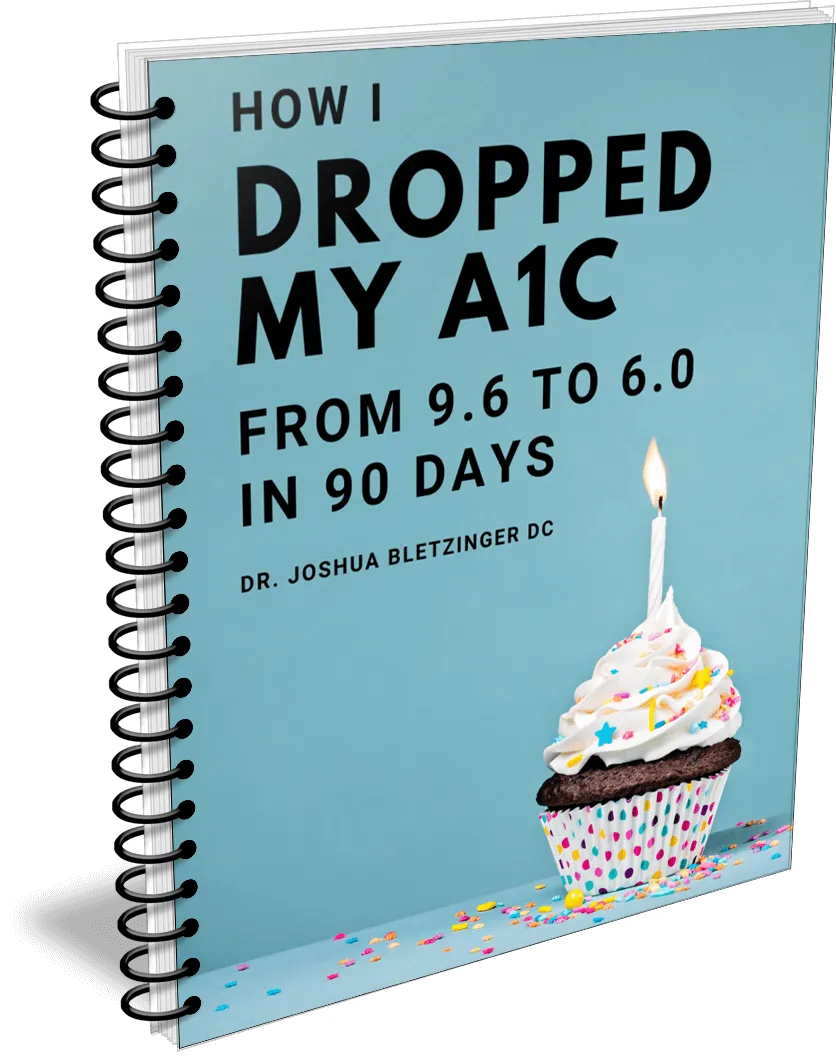
Get A Free Guide
Absolutely thrilled to share this with you! 🌟
Imagine a life where Type 2 diabetes doesn't dictate your day. Sounds too good to be true? It's not.
This simple guide will show what's possibly being missed and the probable root causes to blood sugar challenges.
"How I Dropped My A1c from 9.6 to 6.0 in 90 Days" is loaded with information to help break free from conventional wisdom.
Learn how to put type 2 diabetes into remission and restore the foundations of good health. Let me be your guide!
"There’s been a very well coordinated program by the doctor with thoroughness in checking into my blood chemistry and physiological makeup. I’m feeling myself again. At one time when I was getting medications from my regular doctor I was getting numbness and tingling in one of my legs from diabetic neuropathy. But since I’ve gone on this program and followed it, the numbness has gone away, my legs feel springier, I actually walk my dog and even started to jog a bit. And at one time I couldn’t cut my grass without taking a five minute break every ten minutes. Dr. Bletzinger’s program has been tremendous and I hope to continue the success that’s going. It’s been very successful and I appreciate the doctor’s help."
Richard H.

Dr. Joshua Bletzinger, DC is a leading functional medicine practitioner in the Chicago area.
After watching his father lose his battle with type 2 diabetes, Dr. Josh made it his mission to prevent others from experiencing the same health conditions. He set out to create a clinic that can help people reverse their conditions and take charge of their health.
Dr. Josh creates customized and individualized care plans that 1) arrest the progression of chronic health challenges, 2) enables the body to heal itself and 3) teaches the individual how to navigate a lifetime of vitalistic health.
Dr. Josh has extensive postdoctoral training in functional medicine, functional endocrinology, and clinical nutrition. He continues to pursue an exhaustive education in the care of chronic health challenges.
Articles

Stress Tolerance Is Built, Not Assumed
Why Two People With the Same Workload Break Differently and What Actually Determines the Difference
Two people. Same job title. Same approximate workload. Same general lifestyle demands. One navigates a particularly hard quarter and comes out the other side functioning well. The other hits a wall six weeks in, with fatigue, declining performance, irritability, and disrupted sleep, and spends the next two months trying to recover.
The default explanation for this difference is personality. One person is just built to handle more. They are mentally tougher. More resilient. Better wired for high demand.
There is a more precise and more useful explanation. Stress tolerance is not a fixed character trait. It is a physiological capacity, and it is built from specific, measurable systems that either support or limit a person's ability to absorb and recover from demand. Understanding those systems changes the conversation entirely, because systems can be assessed, trained, and strengthened.
What Stress Tolerance Actually Is
In physiological terms, stress tolerance is the capacity of multiple body systems to absorb demand, maintain function under load, and restore baseline efficiently after the demand has passed. It is not a single system. It is the coordinated performance of at least four distinct capacities operating simultaneously.
The first is HPA axis regulation, the hypothalamic-pituitary-adrenal axis that governs the cortisol response. A person with well-regulated HPA function mounts an appropriate stress response, sustains it as long as needed, and returns to baseline efficiently. A person with dysregulated HPA function either overreacts, underreacts, or fails to recover to baseline, producing either excessive cortisol output that depletes adaptive capacity over time, or a blunted cortisol response that leaves the person without adequate stress hormones to meet genuine demand.
Second is autonomic nervous system balance, the relationship between sympathetic activation and parasympathetic recovery. Research consistently shows that individuals with higher resting parasympathetic tone, measurable through HRV, recover from acute stress faster and demonstrate greater overall stress resilience. This is not fixed at birth. It is developed through the accumulated pattern of how the nervous system cycles between activation and recovery.
Third is metabolic buffering capacity, the ability of the body's energy and inflammatory systems to sustain function under load without significant disruption. Stable blood sugar, low baseline inflammation, and efficient mitochondrial output all contribute to how well the body can continue meeting energy demands during extended stress without experiencing the cascade of fatigue, cognitive decline, and mood instability that characterizes exhausted metabolic buffering.
Fourth is structural resilience, the capacity of the musculoskeletal and nervous systems to absorb physical and postural demand without accumulating compensation patterns that tax neurological resources. Structural resilience is built through movement quality, load management, and recovery from physical stress. When it is low, the nervous system is spending energy on compensation that should be available for everything else the person is trying to do.
Why Some People Break Under the Same Load
When someone breaks under a workload that their colleague handles without significant impairment, the difference is almost never willpower. It is a gap in one or more of these four systems.
HPA dysregulation is one of the most common. A person who has been running at high output for an extended period without adequate recovery often develops a flattened cortisol rhythm, lower in the morning and insufficiently suppressed at night. This pattern is well documented in occupational and athletic burnout research and produces exactly the presentation described: functional under normal load, breaking under elevated demand.
The concept of allostatic load, the cumulative physiological cost of sustained stress adaptation, is directly relevant here. McEwen and Stellar's foundational work established that allostatic overload is not a sudden event. It is the result of chronic wear on adaptive systems that eventually reduces their capacity to respond adequately to new demands. The person who breaks at week six of a hard quarter has often been accumulating allostatic load for months or years before that quarter began.
Autonomic balance is the second common gap. A person whose nervous system spends extended periods in sympathetic dominance, driven by training load, work pressure, poor sleep, or inadequate recovery practices, gradually reduces their parasympathetic capacity. The recovery cycle becomes less efficient. The rebound from stress takes longer. And when demand escalates, the system simply cannot cycle back fast enough to meet the next wave.
The Structural Dimension of Stress Tolerance
The structural side of this equation is almost never discussed in the context of stress tolerance, and it deserves specific attention.
Physical stress, including training load, postural demand, repetitive movement, and sedentary postures held for hours, contributes to the total allostatic burden the body is managing. Spinal compression patterns, altered joint mechanics, and accumulated soft tissue tension all represent active neurological workloads that draw from the same adaptive reserves as every other form of stress the person is experiencing.
This is consistent with research on the relationship between musculoskeletal health and systemic stress response. A study in the Journal of Manipulative and Physiological Therapeutics found that chiropractic care and spinal manipulative therapy produced measurable changes in autonomic nervous system function, including shifts toward parasympathetic tone, suggesting a direct link between structural health and the nervous system's capacity to regulate stress response.
In practical terms, a person carrying a significant structural compensation load is already spending part of their stress tolerance budget before the workday begins. When occupational or life demands escalate, they are starting from a lower baseline than someone whose structural systems are well maintained. The same workload hits a depleted system and produces a different outcome.
This Is Something We See Often
Patients who come in following a breakdown, after a hard quarter at work, a major training block, or a sustained period of high demand, almost universally have two things in common. First, they describe the breaking point as sudden or unexpected. Second, when we look at the systems underneath, the depletion is clearly not recent. The allostatic load has been accumulating for considerably longer than the immediate demand that triggered the presentation.
The structural patterns have been building over months. The cortisol rhythm has been flattened for longer than they realized. The HRV trend has been declining. The inflammatory baseline has been elevated. The breaking point felt sudden because the output was maintained until it could not be. The depletion behind it was gradual and systematic.
This is both the challenge and the opportunity in this population. The challenge is that the signals are subtle and attributable to other causes. The opportunity is that addressing these systems before breaking point, when the depletion is moderate rather than severe, produces significantly faster and more complete restoration.
What Building Stress Tolerance Actually Requires
Building genuine stress tolerance, as opposed to performing higher tolerance through discipline and stimulants, requires assessing and strengthening each of the four systems specifically.
HPA axis regulation is supported through cortisol rhythm assessment, targeted adaptogenic and nutritional interventions, sleep architecture optimization, and structured recovery periods that are genuinely restorative rather than simply passive.
Autonomic balance is developed through consistent parasympathetic activation practices, including breath-based recovery, structured deload periods, and the reduction of sympathetic stressors that are avoidable. HRV monitoring provides a measurable window into whether these practices are producing genuine adaptation.
Metabolic buffering is strengthened through blood sugar stabilization, inflammatory load reduction, and targeted micronutrient support for mitochondrial efficiency, with the specific interventions determined by functional assessment rather than a generic protocol.
Structural resilience is built through precision correction of existing compensation patterns, load management, and movement quality, addressing the neurological overhead that structural dysfunction contributes to the overall allostatic burden.
None of these are generic recommendations. Each requires knowing where the specific system gaps exist before intervention begins. Assessment first. Precision second. That sequence produces durable capacity, not temporary performance.
Key Takeaways
Stress tolerance is a physiological capacity built from four measurable systems: HPA axis regulation, autonomic balance, metabolic buffering, and structural resilience.
The person who breaks under shared workload has a gap in one or more of these systems, not a character deficiency.
Allostatic load accumulates gradually and invisibly. Breaking points feel sudden because output is maintained until it cannot be.
Structural health contributes directly to stress tolerance by determining how much adaptive reserve is available before occupational and life demands are applied.
Building genuine stress tolerance requires assessing which systems are depleted and strengthening them specifically, not performing higher tolerance through effort.
If your stress tolerance feels lower than it used to be, if the same demands that were manageable a few years ago now produce a harder impact, that is a measurable system gap, not an aging curve you have to accept. A Movement Intelligence Assessment at Spine Pain and Performance Center evaluates the structural dimension of your adaptive capacity. A Functional Health Strategy Session at RPA Health examines the HPA, autonomic, and metabolic picture. Both are built to show you where the gap is and what closing it actually requires.

** (JAMA 2012 Dec 19; 308 (23): 2459-96)
** Results may vary from individual to individual and are not guaranteed.
This site is not a part of Facebook website or Facebook Inc. Additionally this is not endorsed by Facebook in any way.
FACEBOOK is a trademark of FACEBOOK, Inc.
Disclaimer: This site is for informational purposes only. It is not designed to substitute for professional and individualized health advice. Please do not stop or start taking any prescription medication without the advice of your prescribing doctor, as this can be very dangerous to your health. You should always consult with your prescribing doctor regarding prescription drugs.
RPA Health | Virtual-First Functional Medicine